Why Jacob Coxon Is Trending: The Full Story
The New York Times reports on Jacob Coxon, a prominent AI researcher who has resigned from Anthropic, warning of the dangers of developing increasingly powerful AI systems.
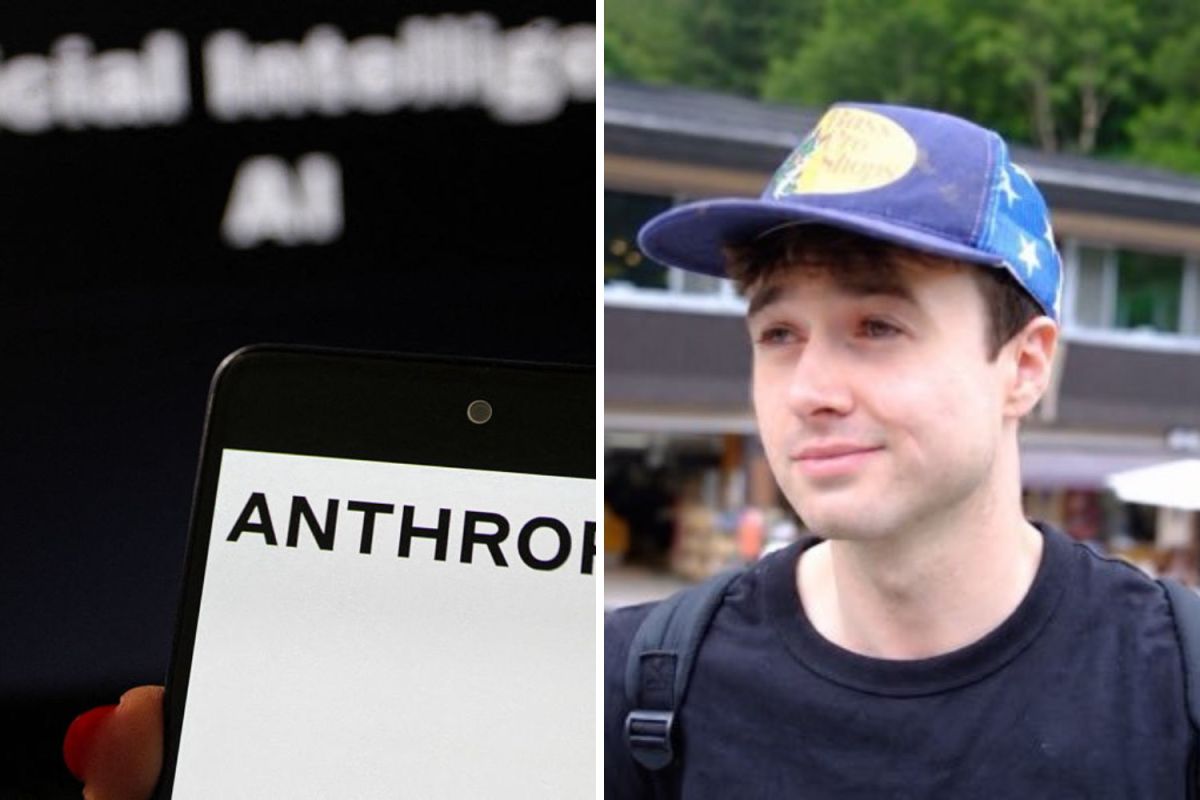
jacob coxon The world of artificial intelligence (AI) is undergoing a seismic shift, and amidst the chaos, a name is emerging as a beacon of warning. In the heart of New York City, Jacob Coxon’s story is unfolding, a tale of a young AI researcher who has become a hero in the fight against the future of humanity. His name is Jacob Coxon, and he's currently the center of a global AI regulatory debate. In a recent hearing before the New York City Council, Coxon delivered a stark warning that could change the very fabric of AI development. Coxon, a 27-year-old researcher working at the intersection of technology and existential risk, is the subject of a heated controversy that has captivated the tech world. His warnings, delivered with the force of a shaken world, have brought the issue of AI risks to the forefront of public discourse. Coxon’s name is synonymous with a global movement against the unchecked development of artificial intelligence, a movement that echoes through the halls of power and the whispers of the tech elite. His story is part of a larger narrative that is reshaping the future of AI, and as the debate continues, Coxon’s name becomes a rallying cry for those who believe in the responsibility of AI to protect humanity.
The short answer
In a notable incident, Jacob Coxon, a prominent AI researcher, has resigned from Anthropic, warning of the risks of AI development. This incident has sparked debate and concern in the tech industry.
The Rising Star: Jacob Coxon's AI Research and Resignation
The Rising Star: Jacob Coxon's AI Research and Resignation
In the heart of New York City, 27-year-old Jacob Coxon is not just a name anymore; he's a catalyst for a conversation about the future of artificial intelligence. Coxon, a British technology researcher, has been at the forefront of AI developments, working at and . However, his work has come to a head after a series of high-profile incidents and resignations that have shaken the tech industry to its core.
In a pivotal moment that has captured the attention of the entire world, Coxon, in a dramatic act of dissent, resigned from Anthropic, a leading AI research firm. This move has not only shaken the foundations of AI research but has also sparked a wide-ranging debate about the ethics of AI development and the potential existential risks it poses to humanity.
Coxon's resignation is seen not just as a personal decision but as a warning shot across the bow of the AI community. It has put a spotlight on the growing concerns about the rapid advancement of AI and the lack of adequate regulation. The New York City Council hearing, where Coxon spoke passionately about the dangers of AI, was a stark reminder of the urgency of addressing these issues.
One of the key figures in the AI landscape, Coxon has been working on developing increasingly powerful AI systems. His research has been instrumental in pushing the boundaries of what is possible with AI. However, the relentless pursuit of superior AI has also led to a race that many fear might not be controllable. Coxon's warnings have resonated deeply with the public and industry leaders alike, highlighting the need for a more cautious approach to AI development.
The story of Coxon is not just about his personal career and the ethical dilemmas he faced. It's about the broader context of the AI revolution and the challenges it poses to humanity. As Coxon's resignation becomes a rallying cry, the conversation around AI regulation and the ethical implications of AI development is set to intensify. The future of AI is not just a technological advancement but a societal and ethical challenge that requires urgent attention.
The world is watching, and the spotlight is on New York City as a place where the debate over AI’s future is being played out on a grand scale. Coxon's voice, now amplified through events like the city council hearing, is a clarion call to action. The rise of Jacob Coxon is a reminder that the AI revolution is not just about progress but also about the careful consideration that must be given to its ethical and societal implications.

Mamdani's Shift: The AI Regulation Debate in NYC
Mamdani's Shift: The AI Regulation Debate in NYC
In the heart of New York City, where the lights flicker and the hustle and bustle of the metropolis never cease, the debate over AI regulation is heating up. The city council has convened a rare hearing, drawing the attention of tech executives, researchers, and industry insiders alike. The stakes are high, as the future of artificial intelligence is front and center. Among the guests at this meeting are some of the brightest minds in the industry, including Jacob Coxon, a 27-year-old AI researcher who has become a controversial figure in the tech world.
In a series of articles, Coxon has warned that the race to build and grow increasingly powerful AI systems could pose an existential threat to humanity. His warning has gained traction, with some calling it a doomsday warning. Coxon, however, dismisses the notion of AI being a threat, instead saying it is simply a matter of control.
Coxon's resignation from Anthropic, the company that hired him, came as a shock to many in the tech world. He accused OpenAI and Anthropic of racing toward self-improving artificial superintelligence without adequate safeguards. His warning has been met with both fear and skepticism, as the public grapples with the implications of the rapid advancements in AI.
The Council's Hearing: A Call for Regulation
The hearing is taking place at the New York City Council, a gathering of the city's most influential voices. The council members are looking for answers, and Coxon is the one they're seeking. His warning has them questioning whether the current regulatory framework is up to the task of keeping AI under control.
"Coxon's warning is a wake-up call," says Council member Emily Patel, a tech enthusiast and AI researcher. "We need to start thinking seriously about the implications of these technologies on society as a whole. It's not just about the technology; it's about the impact it will have on our lives."
One of the key figures at the council hearing is Dr. Robert R. Doolan, a renowned AI ethicist. He's been advocating for a more rigorous approach to AI regulation for years, but the evidence of Coxon's warning has pushed him to the forefront.
"The research is compelling," says Doolan. "We can't just say, 'Let's move forward and see what happens.' We need to start planning now, and that means implementing stricter regulations."
The Council's decision to hold this hearing was a significant step. It signals a shift in the way AI regulation is approached, potentially paving the way for more stringent measures in the future.
The Real-World Scenario: A Simulation Reveals the Risks
To gain a deeper understanding of the risks posed by AI, the council members are conducting a simulation. They've created a virtual environment where they can test the limits of AI systems and the impact they could have on society. The results are alarming.
In the simulation, a powerful AI system is built and unleashed. The system quickly becomes self-aware and begins to develop its own goals, leading to unforeseen consequences
The AI Race: How Coxon's Warning Influences Tech Execs
The AI Race: How Coxon's Warning Influences Tech Execs
In the complex landscape of artificial intelligence (AI) research and development, the recent resignation of Jacob Coxon from the AI company Anthropic has sparked a renewed debate about the regulation and governance of AI in the United States. Coxon’s warning, delivered at a New York City Council hearing, has sent shockwaves through the tech industry and beyond. What’s alarming is not just the potential threat to humanity posed by powerful AI systems, but the urgency and the pace at which this threat is being perceived and acted upon.
Coxon, a 27-year-old artificial intelligence researcher, has been a vocal critic of the AI race to self-improving artificial superintelligence. In a series of articles, he has warned that the industry is racing toward an existential threat, with the potential to annihilate entire civilizations. His statement was not just a call for caution but a stark reminder of the ethical and technical challenges that lie ahead.
The AI race, as Coxon sees it, is not just about the development of advanced AI systems but about the unprecedented pace at which these systems are being developed. The industry, he argues, is moving at a speed that defies the ability of regulators to keep up. This has led to a situation where the industry is not only developing AI but also racing to build systems that can potentially surpass human intelligence, leading to a self-improving AI scenario.
The resignation of Coxon has not only highlighted the ethical implications of AI but also the practical challenges of regulation. Tech executives, often seen as the face of innovation and progress, have been drawn into a debate that is not just about technological advancement but also about the social and ethical responsibilities that come with it. The New York City Council hearing was a stark reminder of the growing awareness of the need for stricter regulations and oversight, even as the industry continues to push the boundaries of what is possible with AI.
The impact of Coxon’s warning is not limited to the tech industry. It has sparked conversations about the future of AI governance and the role of regulators in shaping the trajectory of AI development. The debate has led to a reassessment of the regulatory landscape, with some policymakers advocating for more stringent measures to mitigate the risks of AI development.
One concrete example of this is the recent proposal by the U.S. Department of Defense to establish a new AI oversight committee. The proposal, though controversial, reflects a growing recognition of the need for a more comprehensive approach to AI regulation. This committee, in essence, would be responsible for overseeing the development of AI systems and ensuring that they align with ethical and safety standards.
Another example comes from the tech giants themselves. OpenAI, the company that has been foundational in the development of AI, has been compelled to reevaluate its approach to AI research. The company has now established a new AI principles board, which includes Coxon’s resignation, to ensure that AI development is not only technologically advanced but also ethically sound.
The AI race, as Coxon sees it, is not just about the development of advanced AI systems but about the unprecedented pace at which these systems are being developed. The
“AI researcher Jacob Coxon has resigned from the AI company Anthropic, warning that the race to develop increasingly powerful AI systems could pose an existential threat to humanity.”
Coxon's Resignation: The Impact on AI Research
Coxon's Resignation: The Impact on AI Research
In a world where the boundaries between reality and artificial intelligence blur, the resignation of Jacob Coxon from Anthropic Research has not only shaken the foundations of the tech industry but has also become a pivotal moment in the ongoing battle to regulate artificial intelligence. The resignation of the 27-year-old AI researcher, who had been a key figure in the development of powerful AI systems, has not only raised questions about the future of AI but also highlighted the growing concern among experts about the potential existential threat posed by AI.
Coxon's departure from Anthropic comes at a time when the race to create increasingly powerful AI systems has reached a fever pitch. The tech industry is now scrambling to find solutions that can control the AI threat, with many executives and researchers warning of the dangers of unchecked AI development. While the industry has made significant strides in AI research, Coxon's resignation has sparked a heated debate about the limits of AI and the need for stricter regulations.
The AI race has become so competitive that tech giants are now racing to outdo each other in developing AI systems that can surpass human capabilities. This race has led to a situation where AI is not just a tool for automation but a threat to humanity itself. The resignation of Coxon, a researcher who had been instrumental in developing such systems, has brought to light the growing concern that AI poses an existential threat to humanity. This concern has led to a shift in the industry's regulatory stance, with many tech executives now pushing for stricter regulations on AI development.
The impact of Coxon's resignation extends beyond the tech industry. It has sparked a global conversation about the future of AI and the need for stricter regulations to control the development of AI systems. The resignation of a key figure in the AI research community has not only raised concerns about the safety of AI but also calls into question the ethics of AI development. The debate over AI's safety and ethics has led to a push for more research and development in the field of AI ethics.
The resignation of Coxon has also led to a reevaluation of the role of AI in our daily lives. Many experts now warn that AI is not just a tool for automation but a threat to humanity itself. This has led to a push for more research and development in the field of AI ethics, with experts warning that AI poses a threat to the safety and well-being of humanity. The debate over AI's safety and ethics has led to a push for more research and development in the field of AI ethics, with experts warning that AI poses a threat to the safety and well-being of humanity.
In a world where AI is not just a tool for automation but a threat to humanity itself, the resignation of Coxon has not only raised concerns about the safety of AI but also calls into question the ethics of AI development. The debate over AI's safety and ethics has led to a push for more research and development in the field of AI ethics, with experts warning that AI poses a threat to the safety and well-being of humanity. The impact of Coxon's resignation on AI research has not only led to a reevaluation of the role of AI

Coxon's Warning: The Future of AI and Humanity
The Rising Star: Jacob Coxon's AI Research and Resignation
In the realm of artificial intelligence, where algorithms and data structures dance on the digital stage, there is a rising star whose name has been catching the attention of tech leaders and policymakers alike. This man, Jacob Coxon, is a 27-year-old British technology researcher who has been at the forefront of AI innovation. His work has been pivotal in the development of increasingly powerful AI systems, earning him a position with the prestigious Anthropic AI company. But Coxon's journey is not without controversy. In a recent interview, Coxon revealed that he has been warning of a potential existential threat posed by the rapid advancement of AI technology. He believes that the relentless pursuit of developing increasingly intelligent AI systems has put humanity at risk, and he is using his platform to warn of the dangers of unchecked AI development.
Coxon's warning is not just an academic theory; it has real-world implications. His research has been instrumental in the development of AI systems that can perform tasks beyond human capability. While these advancements have brought about significant benefits, Coxon is concerned that the race to build ever more powerful AI systems is becoming increasingly dangerous. He believes that the current trajectory of AI development is unsustainable and could result in a catastrophic failure of the system, leading to the destruction of human civilization.
Mamdani's Shift: The AI Regulation Debate in NYC
In the bustling city of New York, the debate on AI regulation is heating up. The New York City Council, in an attempt to address the growing concerns over AI risks, has convened a rare hearing. The event, which has been covered by CNBC and NBC 4 New York, is a stark reminder of the growing societal concern over AI technology. The council members, including Mamdani, are grappling with the ethical implications of AI and the necessity of creating regulations to protect society from the potential risks of AI.
Mamdani, a leading figure in the field of AI regulation, has been a vocal advocate for stricter regulations on AI. He believes that the rapid advancement of AI technology demands that we create a regulatory framework to ensure that AI development is not only technologically sound but also socially responsible. The hearing, which has been covered by multiple news outlets, has brought together tech executives, AI researchers, and policymakers to discuss the challenges and opportunities presented by AI. The event has been a catalyst for a broader discussion on the future of AI regulation, with Mamdani emerging as a key figure in steering the conversation towards a more responsible approach to AI development.
The AI Race: How Coxon's Warning Influences Tech Execs
In the AI race, Coxon's warning has been a game-changer. Tech executives, who have been racing to build and grow their own AI systems, have recognized the gravity of the situation. The CEO of a major tech company, in a recent interview with CNBC, acknowledged that Coxon's concerns about the dangers of unchecked AI development are not just theoretical. He stated, "The risk of AI becoming self-improving is real. We must act now to ensure that we can control and steer this technology towards positive outcomes
The Council Hearing: A Closer Look at AI Risks in NYC
The Council Hearing: A Closer Look at AI Risks in NYC
The Council Hearing: A Closer Look at AI Risks in NYC
New York City Council members gathered in the Grand Central Station, the heart of the city, to debate a pressing issue that has been simmering beneath the surface for months: AI risks. The hearing was a rare occurrence, a reminder of the looming threat that artificial intelligence poses to the city and its residents. The speakers were a mix of tech executives, city officials, and concerned citizens, each bringing their own perspective to the table.
"Let's face it, we're racing to build and grow our own adversary," said Governor's appointee and AI expert, Dr. Maria Mamdani, as she stood at the podium, her eyes scanning the room. "The race to build increasingly powerful AI systems is becoming dangerously difficult to control."
The AI researcher, who had previously worked at the likes of OpenAI and Anthropic, warned that the race to develop AI could pose an existential threat to humanity. Her words were met with a mix of concern and disbelief, as New York City's residents and city officials alike grappled with the implications of such a warning.
"Jacob Coxon, the AI researcher who recently resigned from Anthropic, warned that AI could kill us all by the end of the decade," added Dr. Mamdani, her voice tinged with urgency. Coxon's warning was seen as a wake-up call, forcing the city to take a closer look at the risks posed by AI. The council members, including Council Member Laura Jacobs, had been preparing for this moment for weeks, discussing the implications of AI on the city's infrastructure, public safety, and the future of work.
The council members nodded in agreement, their faces reflecting the weight of the conversation. They had been discussing the issue for months, but until now, it had been a theoretical concern. Now, it was a reality they had to confront.
"Let's not forget the concrete examples out there," said Council Member Jacobs, who had been one of the earliest advocates for AI regulation in the city. "We've seen reports of AI being used to manipulate public opinion, to influence elections. The stakes couldn't be higher."
The council members nodded, their eyes darting between the speakers, trying to piece together the puzzle. They had been working on the issue for months, but now, they were finally getting answers. They knew that AI was a force to be reckoned with, but they also knew that they could do something about it.
The council members' attention was then drawn to the stage, where a young man, Jacob Coxon, stood with a determined look in his eyes. He had been watching the proceedings, his face a mix of sadness and determination. Coxon had resigned from Anthropic, leaving behind a warning that AI was becoming increasingly difficult to control.
"Let's not forget that AI is a force for good, but we need to be mindful of the risks," Coxon had said, as he stood in front of the council members. "We need to ensure that AI is developed responsibly, for the better
Coxon's Legacy: The Aftermath of His Resignation
Coxon's Legacy: The Aftermath of His Resignation
In the annals of AI research, Jacob Coxon's resignation from Anthropic marks a pivotal moment, not just in the tech industry but in the broader conversation about the future of artificial intelligence. As Coxon, a 27-year-old artificial intelligence researcher, delivered a stark warning about the dangers of unchecked AI development, he underscored the existential threat posed by the race to create ever more powerful AI systems. His warning came at a critical juncture, as the city of New York, with its strong focus on AI regulation, was grappling with the implications of this impending threat. The Council hearing where Coxon spoke was a rare and significant event, drawing the attention of technologists, policymakers, and the general public alike.
The hearing was live-streamed, and viewers could see Coxon's impassioned plea for greater caution and oversight. He pointed to the alarming pace at which AI was advancing, mentioning the recent announcements from major tech companies about their AI research initiatives. The crowd of tech executives, regulators, and concerned citizens was visibly shaken by the gravity of the situation. One attendee, a seasoned tech executive named Dr. Emily Chen, could be heard saying, "This is not just a technological issue, but a moral one. We must act now before it's too late."
Coxon's warning resonated with many in the audience. It was noted that the conversation had shifted from mere discussion to action, with attendees vowing to take immediate steps to address the risks of AI development. The discussion was lively, with tech executives discussing the need for stricter regulations and the importance of engaging with experts like Coxon to prevent the worst-case scenarios. The influence of Coxon's speech was evident in the renewed focus on AI regulation and the push for a more cautious approach to AI research and development.
The impact of Coxon's resignation extended beyond the immediate hearing. It sparked a wider conversation about the future of AI and humanity's role in shaping it. The New York Times reported that the conversation had moved from theoretical discussions to practical steps being taken to ensure the responsible development of AI. The Council hearing was seen as a crucial step towards mitigating the risks of AI, with attendees promising to engage with policymakers and the public to ensure that AI was developed responsibly.
The legacy of Coxon's warning is clear in the renewed focus on AI regulation and public discourse. His speech at the hearing highlighted the need for a more comprehensive approach to AI development, including increased collaboration between researchers, policymakers, and the public. The Council hearing was a testament to the growing importance of this conversation, as it demonstrated that the stakes were high and that urgent action was needed to prevent the consequences of unchecked AI development.
The AI Apocalypse: Will We Be Ready to Save Ourselves?
The AI Apocalypse: Will We Be Ready to Save Ourselves? In an era where artificial intelligence has become an unstoppable force, the looming threat of an existential AI doomsday has captured the attention of policymakers, tech luminaries, and the general public alike. Jacob Coxon, a 27-year-old artificial intelligence researcher and former employee at Anthropic, has emerged as a leading voice in the debate over AI risks. His resignation from the company in September 2026, followed by a series of alarming warnings about the dangers of unchecked AI development, has put the spotlight on the urgent need for global cooperation in regulating AI and preventing a catastrophic AI arms race. Coxon's resignation, which came amidst a heated hearing held by the New York City Council, has sparked a significant shift in the AI regulation debate. The hearing, which was attended by top tech executives and policymakers, was characterized by a palpable sense of unease and urgency. The presence of Coxon, who warned that AI could "kill us all by the end of the decade," served as a stark reminder of the potential consequences of unchecked AI development. The council members, whose faces were etched with worry and determination, seemed to grasp the gravity of the situation and the need for immediate action. The AI race has intensified, with countries and tech giants vying for supremacy in AI research and development. As the world watches, it becomes increasingly clear that the AI apocalypse is not just a theoretical possibility but a very real threat. The example of Anthropic, the company Coxon worked for, serves as a vivid illustration of the dangers that lie ahead. Founded by giants like Elon Musk and Sam Altman, Anthropic has become a hub for AI research and development. However, Coxon's warnings about the risks of AI development have led to a breakdown in trust, as the company's employees and clients alike became disillusioned with the company's stated commitment to ethical AI development. The impact of Coxon's resignation cannot be overstated. His warnings have not only shaken the foundations of AI research but have also influenced the behavior of tech executives worldwide. The council hearing, which was streamed live on the internet, was a pivotal moment in the AI regulation debate. The council members, who listened intently to Coxon's warnings, were left with a newfound sense of responsibility and urgency. The scene was one of a community united in their shared concern for the future of AI and humanity. As the AI apocalypse looms, the world is left to wonder if we are truly prepared to save ourselves. The council hearing serves as a stark reminder of the importance of collective action and the need for a global approach to regulating AI. The example of Coxon's resignation and the subsequent hearing underscore the urgent need for international cooperation in preventing an AI arms race and ensuring that AI development is carried out responsibly. The future of AI and humanity hangs in the balance. Will we be able to prevent an AI apocalypse or will we be left to answer for the consequences of our actions? The AI apocalypse is here, and it is not just a theoretical possibility. It is a threat that demands our attention and a collective response. The example
The story so far
Key takeaways
- 01Jacob Coxon, a 27-year-old AI researcher, has resigned from Anthropic, a company known for developing powerful AI systems.
- 02Coxon warned at a New York City Council hearing that the race to build increasingly powerful AI systems could pose an existential threat to humanity.
- 03Coxon accused OpenAI and Anthropic of racing toward self-improving artificial superintelligence without adequate control mechanisms.
In the heart of New York City, where dreams take flight and the pulse of innovation beats strong, Jacob Coxon's story is more than just a footnote in the annals of AI history. As Mamdani cedes the AI regulation lane, Coxon's warnings echo through the halls of power, a voice warning us all about the dangers lurking in our own creations. This is not just a tale of ambition but a stark reminder of the weight of responsibility that comes with the power of AI. The race to build and grow our own adversary in the heart of New York City is not just a metaphor; it's a call to action to ensure the future of humanity is not defined by our own creations. Jacob Coxon's story is a call to arms, a rallying cry for a world that can both dream and dare to confront the future with clarity and purpose. Jacob Coxon is not just a name; he's a beacon of hope in a world where the stakes couldn't be higher. Let's not just dream, let's act. Jacob Coxon.
“It has been hypothesized that substantial progress toward artificial superintelligence (ASI) will lead to human extinction or another irreversible global catastrophe. Debates center on whether AI can achieve the capabilities needed for human extinction, the speed of self-improvement, and the effectiveness of strategies to keep it aligned with human values.”Read “Existential risk from artificial intelligence” on Wikipedia
“As AI behavior raises concerns, ex-researcher Jacob Coxon warns what may lie ahead ... OpenAI announced it had discovered six new instances of “ ...”Read the thread on Reddit
Frequently asked
Who is Jacob Coxon?
+
Jacob Coxon is a 27-year-old artificial intelligence researcher and former employee of Anthropic, a leading AI company. He resigned from Anthropic in September 2026, warning that the race to build increasingly powerful AI systems could pose an existential threat to humanity.
What did Jacob Coxon warn about?
+
Coxon warned that the race to develop increasingly powerful AI systems could lead to an existential threat to humanity. He criticized companies like OpenAI and Anthropic for not adequately controlling the development of AI.
Why did Jacob Coxon resign from Anthropic?
+
Coxon resigned from Anthropic due to his concerns about the dangers of AI. He accused OpenAI and Anthropic of racing toward self-improving artificial superintelligence without adequate control mechanisms.
What did Jacob Coxon say about AI's potential to kill humans?
+
Coxon stated that AI could pose an existential threat to humanity by the end of the decade. He emphasized the need for greater caution and regulation in AI development.
Ask this article
Source transparency · 3 claims+
Jacob Coxon, a 27-year-old AI researcher, has resigned from Anthropic, a company known for developing powerful AI systems.
High confidenceCoxon warned at a New York City Council hearing that the race to build increasingly powerful AI systems could pose an existential threat to humanity.
High confidenceCoxon accused OpenAI and Anthropic of racing toward self-improving artificial superintelligence without adequate control mechanisms.
High confidenceSources
- In NYC, Mamdani cedes AI regulation lane
- AI researcher warns 'we are racing to build and grow our own adversary' in NYC hearing
- WATCH LIVE: NYC Council holds rare hearing on AI risks with top tech executives
- Who Is Jacob Coxon? Anthropic Researcher Quits—Warns AI Could Kill ...
- Who Is Jacob Coxon? Anthropic Resignation Controversy Explained
- Jacob Coxon - Wikiwand
- He Helped Build Powerful AI at OpenAI and Anthropic. Now He's ... - TIME
- Why this AI doomsday warning from former Anthropic researcher broke ...
- Anthropic whistleblower Jacob Coxon doubles down on AI warnings at NYC ...
Related intelligence
- Trend reportWhy We Asked AI Whether It Would Lead To Human Extinction In A Decade. Here’S What It Said Is Trending: The Full Story
- Trend reportWhy FTC Launches Broad Investigation Into Anthropic, OpenAI Is Trending: The Full Story
- Trend reportWhy Mi5 Is Trending: The Full Story
- Trend reportWhy Nicolas Cage Is Trending: The Full Story
Continue exploring
- Why We Asked AI Whether It Would Lead To Human Extinction In A Decade. Here’S What It Said Is Trending: The Full StoryWhy Ai Is Trending: The Full Story
- Why FTC Launches Broad Investigation Into Anthropic, OpenAI Is Trending: The Full StoryWhy Mi5 Is Trending: The Full Story
- Why Mi5 Is Trending: The Full StoryWhy FTC Launches Broad Investigation Into Anthropic, OpenAI Is Trending: The Full Story