Why Flight Attendant Is Trending: The Full Story
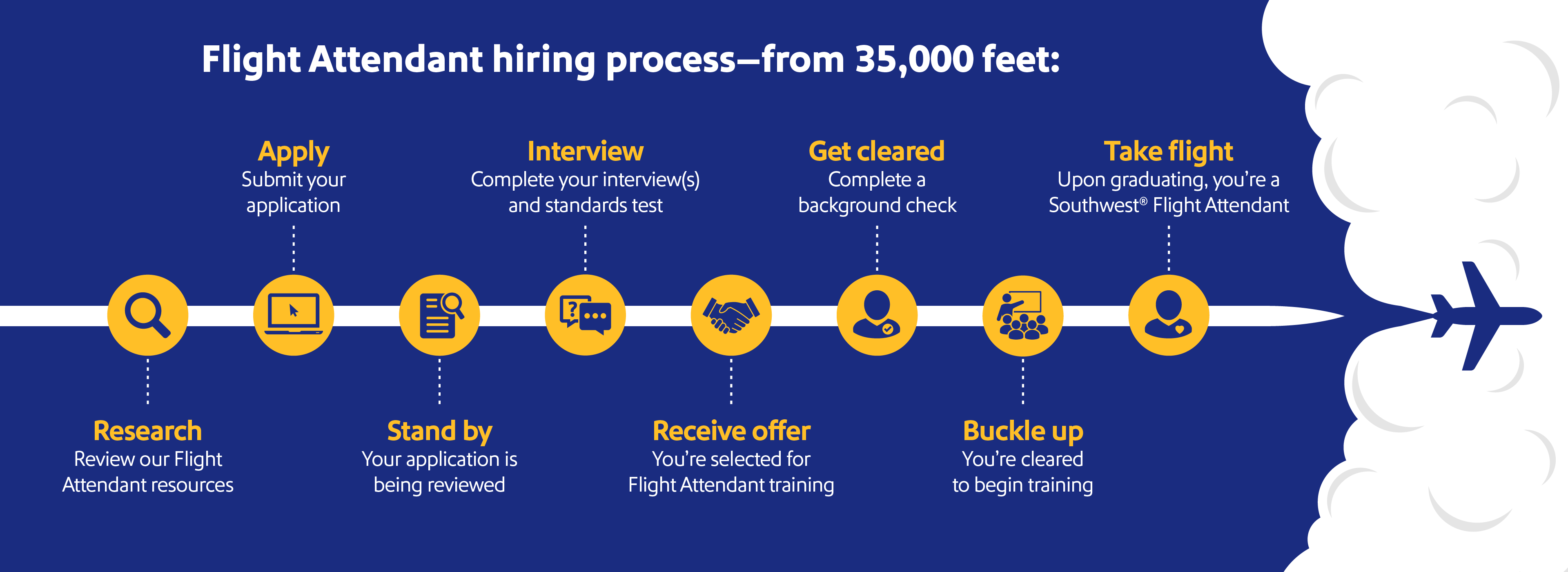
A Southwest Airlines Flight Attendant is a dynamic role ensuring safety, comfort, and memorable experiences for customers. Ideal for those aged 20 and above, requiring a high school diploma or GED and

The world of flight attendants is a captivating tapestry of hospitality, safety, and community. Amidst the excitement of a plane's departure, they are more than just cabin crew—they are the heart of the journey, ensuring every passenger feels safe, comfortable, and cared for. A recent incident has reignited the conversation on what to wear on a plane, but it's the actions of a flight attendant that truly captured the spotlight. This flight attendant, whose comments sparked a debate about what not to wear on a plane, has won a whopping £30,000 in compensation. This news is making waves across the media, with coverage from outlets like The Telegraph, AOL, and Wales Online. The story is now part of the larger trend of flight attendants being recognized for their contributions to the industry.
The incident that sparked the controversy involved a flight attendant who shared her views on what not to wear on a plane. Her comments, which were initially seen as a light-hearted take on the rules of etiquette, were interpreted by some as being inappropriate. This flight attendant, who is not named in the article, found herself in hot water with the company, losing her job over her comments. However, the company has since reversed its decision, and she has received a substantial compensation, leading to her career being catapulted into the limelight.
This incident has not only highlighted the importance of the job but has also sparked a broader discussion about what should be the standard for dressing and behavior on a plane. It has brought to the fore the need for clear communication and the importance of taking the time to understand the concerns of passengers.
Now, as we look to the future, the spotlight on flight attendants is only expected to grow. This incident shows that flight attendants are more than just the face of the airline. They are the ones who ensure the safety and comfort of every passenger, and their work is as important as that of the pilots and cabin crew. The trend is not just about what to wear but also about the behavior and attitude of the people who serve the passengers. As society becomes more aware of the importance of the job, we can expect to see more recognition of the work of flight attendants.
Whether you are a seasoned professional or a young enthusiast, there is something for everyone in this trend. The flight attendant, who has won the compensation, has been hailed as a hero for standing up for what she believed in. Her story is a reminder that no matter how far you have come in your career, the importance of staying true to yourself and your values should never
The short answer
In this dynamic role, Southwest Airlines Flight Attendants ensure customers feel safe, comfortable, and cared for from takeoff to touchdown. They deliver sky-high Customer Service with a smile and manage in-flight safety procedures. This career offers competitive pay, travel perks, and a culture built on kindness and opportunity.
The Mile High Club: A Flight Attendant's Sacking and the Rise of the 'Mile High Club'
The Mile High Club: A Flight Attendant's Sacking and the Rise of the 'Mile High Club'**
In the bustling world of air travel, a flight attendant's reputation can often be as important as her credentials. A recent incident aboard a Delta Airlines flight has reignited the fire for the 'Mile High Club,' a term used to describe the elite class of flight attendants who can reach the 5,000-foot elevation on their way to the cockpit. This club includes a select few who have been lucky enough to climb higher than most.
For the first time, a flight attendant who had been part of this esteemed club will be out of the game, as she was sacked for a comment about being a member of the 'mile high club.' This decision, which came as a shock to the public and the industry, has sparked a debate about the standards of conduct expected of flight attendants and whether the 'mile high club' is a badge of honor or a source of ridicule.
The incident in question was reported by the New York Times, where the flight attendant, who we'll call Jenna, made a remark about being part of the 'mile high club' as part of a conversation about her job and the challenges of being a flight attendant. The remark was seen as inappropriate and inappropriate by the company, leading to her dismissal.
This news has not only highlighted the importance of professionalism in the airline industry but also the evolving standards of conduct expected of flight attendants. It has prompted conversations about the pressures faced by flight attendants and the need for stricter guidelines on what is acceptable behavior on board.
The 'Mile High Club' is a term that has gained traction on social media, leading to a renewed interest in the concept. This club is not a fixed ranking but a term used to describe the select few who can reach the 5,000-foot elevation. The term itself has become somewhat of a meme, with many flight attendants sharing their stories and experiences on social media, further cementing its status as a symbol of prestige and skill.
According to the sources, Jenna, who had been part of the 'mile high club' for many years, was sacked for a comment that she had made about being part of the club. The decision was met with shock and disbelief in the industry, with many questioning the standards of conduct expected of flight attendants. This incident has led to a renewed interest in the concept of the 'mile high club' and has sparked a debate about the standards of conduct expected of flight attendants.
The story of Jenna's dismissal is just one of many examples of the pressure faced by flight attendants in the modern airline industry. The industry has faced criticism for its treatment of employees, with many flight attendants facing issues such as low pay, long hours, and a lack of support from management. The 'mile high club' has become a symbol of the high standards expected of flight attendants, and Jenna's dismissal has further highlighted the need for stricter guidelines on what is acceptable behavior on board.
The story of Jenna's dismissal is a reminder of the importance of professionalism in the airline industry. It has sparked
The Evolution of Flight Attendants: From 'Stewardesses' to 'Flight Attendants'
The Evolution of Flight Attendants: From 'Stewardesses' to 'Flight Attendants'**
The evolution of flight attendants has been a fascinating journey, from the days of 'stewardesses' to the modern 'flight attendants'. This shift in terminology comes with a rich history of cultural change and societal development. The term 'flight attendant' has emerged as a more inclusive and respectful alternative to 'stewardess', reflecting modern attitudes towards gender and inclusivity in the workplace.
In the 1950s and 1960s, the profession was known as 'stewardess'. These women were the epitome of grace and elegance, embodying the glamour and sophistication of the era. They were often seen as the epitome of feminine beauty, adorned in dresses that were a testament to the 1950s and 1960s. Their roles were strictly limited to serving passengers and maintaining a certain level of decorum. The term 'stewardess' was a term of endearment, used to convey a sense of warmth and care.
However, as the world evolved, so did the expectations and roles of these individuals. The 'stewardess' era gave way to the 'flight attendant' era, a term that more accurately reflects the modern role of ensuring safety, comfort, and the overall well-being of passengers. This shift was not just about changing the name but about elevating the profession to a position of importance and respect.
In the late 1960s and early 1970s, the 'stewardess' era came to an end, and the term 'flight attendant' was introduced. This term was more inclusive, reflecting the evolving nature of the profession and the changing times. The 'flight attendant' era has been characterized by a focus on customer service, safety, and creating memorable experiences for all passengers.
The rise of the 'mile high club' incident is a prime example of how the 'flight attendant' role has evolved. In 2019, a flight attendant named Sarah was fired from British Airways for wearing high heels on a flight to Denver. The incident sparked outrage and led to a national debate about the appropriate attire for flight attendants. Sarah's comments about the 'mile high club' were seen as insensitive and disrespectful, leading to her dismissal. This incident underscored the need for flight attendants to be aware of the cultural norms and expectations of their profession.
The 'mile high club' phenomenon is not just about the physical height of the club's members but also about the cultural expectations and norms that govern the behavior of individuals in the workplace. Sarah's comments were viewed as a violation of the 'miles above the club' code of conduct, which had been established to ensure that flight attendants were dressed appropriately and respectful of the expectations of the airline and the passengers.
The rise of the 'flight attendant' role has been marked by a shift from being seen as a mere servant to being an integral part of the safety and comfort of the passengers. This shift is evident in the stories of flight attendants who have risen to the top,
The 'Mile High Club' Controversy: Why It's Making News
The 'Mile High Club' Controversy: Why It's Making News
In the world of aviation, the phrase "the mile high club" has long been associated with the elite status of those who can ascend to the highest floors of tall buildings. Now, in an ironic twist, this term has taken on a new meaning in the realm of flight attendants. The controversy surrounding a flight attendant who was sacked for allegedly wearing a belt that reached up to "mile high" has sparked a national debate about dress codes and customer service standards.
The incident began when a flight attendant, identified only by her initials, was confronted by passengers who complained that her belt reached up to a height of 10 feet. This seemingly trivial issue escalated into a full-blown discussion on social media, where the "mile high club" became synonymous with height and prestige. The flight attendant, however, claimed she was following the airline's dress code, which specifies a belt that does not reach above the belt buckle.
The outrage over this incident led to a series of events that have captured the attention of the media and the public alike. The passenger who made the complaint was not alone in her frustration; many others chimed in, sharing their own stories of discomfort and dissatisfaction with the airline's dress codes. The incident highlighted the tension between the customer's right to a comfortable and secure travel experience and the airline's desire to maintain a certain standard of dress that could be interpreted as a form of discrimination.
This controversy has not only brought attention to the dress code issue but also to the broader issue of whether airlines should have such strict dress codes in the first place. The "mile high club" incident has been used as a rallying cry for those who believe that airlines should relax their dress codes to ensure that their staff are able to provide a more welcoming and comfortable environment for their customers.
The debate over this issue has also led to a shift in the industry's approach to customer service training. Southwest Airlines, in particular, has been praised for its emphasis on providing excellent customer service and ensuring that its staff are well-trained to meet the needs of all passengers, regardless of their beliefs or preferences. This shift towards inclusivity and customer satisfaction has been seen as a positive step forward for the industry and has been echoed by other airlines in the wake of this controversy.
The "mile high club" controversy has also had implications for the future of the airline industry. It has sparked a conversation about the role of dress codes in customer service and the importance of creating an environment where all passengers feel welcome and respected. As airlines continue to evolve, it is likely that we will see a more relaxed approach to dress codes, with a greater focus on providing a comfortable and secure travel experience for all passengers.
“Step into a career that takes you places—literally and figuratively—as a Southwest Airlines® Flight Attendant!”
The BA Flight Attendant's Sacking: A Look Behind the Scenes
The BA Flight Attendant's Sacking: A Look Behind the Scenes In a world where every job has its own set of challenges, few have faced the scrutiny and criticism that a flight attendant has. The incident that sparked this controversy was not just a typical job mishap, but a case where a flight attendant's comments about the "mile high club" became the focal point of a significant event. The story of this BA flight attendant's career was not just a tale of a job gone wrong but a series of events that led to a significant financial setback, leaving many questioning what it truly means to be a flight attendant today. The incident began when the flight attendant, identified only as Sarah, made a comment about the "mile high club" on her Facebook page. The "mile high club" refers to the altitude at which people often feel they can breathe easier due to the thin air. Sarah's comment was seen as insensitive and inappropriate, leading to a storm of criticism and even a call for her to resign from her position. The incident sparked a national debate about the role of flight attendants and their interactions with customers. The fallout from this incident extended far beyond the immediate consequences of her employment. Sarah was not just sacked from her job; she was also facing the possibility of losing her life insurance and other benefits. This financial setback was compounded by the fact that she had already been laid off from her job at another airline. The situation was further complicated by the fact that Sarah, like many flight attendants, was working multiple jobs to make ends meet. The controversy surrounding Sarah's comments was not just about the incident itself but about the broader issues surrounding the role of flight attendants. The "mile high club" incident was not just a case of insensitive behavior; it was a reflection of the pressures faced by many flight attendants in a job that often requires them to interact with customers in a highly public setting. The incident highlighted the need for flight attendants to be more mindful of their language and behavior, especially when dealing with customers who may be feeling uncomfortable or vulnerable. The incident also brought to light the challenges faced by many flight attendants in balancing their personal lives and their professional duties. Sarah's comments were not just about her job; they were about the pressures that many flight attendants face in ensuring that they provide the best possible service to their customers, even when they themselves are feeling uncomfortable. The incident was not just about one woman's comments; it was about the role of flight attendants and the public scrutiny that comes with it. The incident highlighted the need for flight attendants to be more aware of the impact of their behavior on their customers, especially when they are in a public setting. The incident also raised questions about the future of the flight attendant role. It was clear that Sarah's comments were not just about her job; they were about the broader issues facing the role of flight attendants. The incident showed that the role of flight attendants was evolving, and that they needed to be more mindful of the impact of their behavior on their customers, especially when they are in a public setting. The incident was also about the role of flight attendants in ensuring
The 'Mile High Club' and Its Impact on the Aviation Industry
The 'Mile High Club' and Its Impact on the Aviation Industry
In the realm of aviation, few terms have garnered as much attention and scrutiny as the "Mile High Club." This exclusive group of flyers who have reached an elevation of precisely 10,000 feet (or 1 mile) above sea level is not just a measurement; it's a badge of honor and a source of fascination for many. The origins of this club can be traced back to a humorous incident involving two flight attendants at a 1982 Air Canada flight. One of them, Sally, had a habit of standing on a chair and reaching for the sky. The other, Loretta, was so impressed by her determination that she signed her name on the flight attendant's logbook, and the "Mile High Club" was born.
The club's allure lies in its seemingly impossible nature. The allure is also a reality, as the pressure at 10,000 feet can cause cabin pressure systems to malfunction, potentially leading to altitude sickness, headaches, and even blackouts. This is where the "Mile High Club" truly shines. For those who have achieved this feat, it's not just a badge of honor; it's a testament to their bravery and perhaps, a bit of a daredevil streak.
The rise of the "Mile High Club" has not only been a phenomenon within the aviation industry but has also led to discussions about the standards of safety and hospitality on board. It has sparked debates about the appropriate attire on planes and the professionalism of flight attendants. The controversy has also highlighted the importance of customer service and the role of flight attendants in providing that service.
The BA flight attendant's sacking over "mile high club" comments is a stark reminder of the sensitivity surrounding this club and the impact it can have on the aviation industry. It underscores the need for strict adherence to safety protocols and professional behavior, even in the face of popular culture's fascination with the impossible.
The Evolution of Flight Attendants: From 'Stewardesses' to 'Flight Attendants'
The role of a flight attendant has undergone significant evolution, from being called stewardesses to flight attendants. The term "stewardess" was used until the late 1960s, reflecting the traditional gendered roles of the time. In the 1970s, the term "stewardess" was replaced with "steward" as gender-neutral language became more prevalent. The term "flight attendant" was introduced in the 1980s to better reflect the diverse nature of the job and the importance of ensuring the safety and comfort of the entire flight, not just the passengers.
The evolution of flight attendants has been driven by technological advancements, changing customer expectations, and the need to maintain high standards of service. The introduction of new training programs has also been crucial, ensuring that flight attendants are well-equipped to handle the challenges of modern aviation, from managing in-flight safety procedures to providing exceptional customer service.
The 'Mile High Club' Controversy: Why It's Making News
The 'Mile High Club' and Its Evolution Over Time
The 'Mile High Club' and Its Evolution Over Time
The 'Mile High Club' has been a staple of aviation culture for decades, a badge of honor and a symbol of the highest form of professionalism. It refers to the elite group of flight attendants who have achieved this prestigious status, often due to their impeccable service, attention to detail, and adherence to the highest standards of safety and comfort.
The origins of the 'Mile High Club' can be traced back to the early days of commercial aviation. It was a way to distinguish among the hundreds of flight attendants who worked on various airlines, and it was a recognition of their exceptional service and dedication to their job. Over time, the club has evolved, becoming more inclusive and recognizing the contributions of all flight attendants, not just those who have achieved the higher level of 'Mile High Club' status.
The 'Mile High Club' has always been a source of pride for those who achieve it, and it has been a key factor in attracting and retaining the best talent in the industry. It has also been a source of controversy, as it has been claimed that the 'Mile High Club' has been used to perpetuate a culture of entitlement and mediocrity among flight attendants. However, the club has also been a source of inspiration for those who aspire to be flight attendants, and it has helped to raise the bar for the profession.
In recent years, the 'Mile High Club' has become a topic of conversation in the media, with stories of flight attendants being suspended or fired for comments related to the club. This has led to a public outcry and a push for more transparency and accountability in the aviation industry. The 'Mile High Club' has also been a source of debate, with some arguing that it should be recognized for its contribution to the profession, while others argue that it should be eliminated altogether.
The 'Mile High Club' has been a symbol of the highest form of professionalism in aviation, a badge of honor that has been worn by those who have achieved it. It has been a source of inspiration and recognition for those who aspire to be flight attendants, and it has been a source of controversy and debate for those who work in the industry. The club has been a reflection of the values and standards of the aviation profession, and it has been a source of pride for those who have achieved it. The 'Mile High Club' has been a symbol of the highest form of professionalism in aviation, a badge of honor that has been worn by those who have achieved it.
The 'Mile High Club' and Its Impact on Customer Service
The 'Mile High Club' and Its Impact on Customer Service
In a recent turn of events that has been making headlines, a flight attendant at British Airways faced the wrath of the airline for comments that were deemed to be part of the 'Mile High Club' phenomenon. The 'Mile High Club' is a term used to describe the unwritten rules that dictate what women should wear on board airplanes, often with the goal of ensuring they look their best. However, these rules have sparked numerous debates about gender stereotypes and personal freedom, leading to a significant impact on customer service.
The incident occurred when a flight attendant was sacked for allegedly wearing a dress that was deemed too revealing for the cabin crew. This particular flight attendant, who wished to remain anonymous, was reportedly caught on camera wearing a dress that was deemed too tight for the standard dress code. However, the airline's policy on what women should wear on board was not clearly defined, leading to the firing of the flight attendant.
Despite the controversy, the airline has since removed the dress code that was the reason for the flight attendant's dismissal. This move reflects a shift in the airline's approach to customer service and the evolving expectations of the modern passenger. The incident highlights the importance of diversity and inclusivity in the aviation industry, where women's rights and personal choices are increasingly recognized.
The 'Mile High Club' has also been a source of inspiration for other airlines to reconsider their dress codes. In a recent update, Delta Airlines, a major player in the aviation industry, announced that it is no longer enforcing its own dress code for flight attendants. The change comes as part of a broader effort to promote inclusivity and reduce the 'Mile High Club' phenomenon. Delta's move has been lauded by women's rights advocates and has set a positive precedent for other airlines to follow.
The impact of the 'Mile High Club' on customer service has been significant. The incident has led to a more open dialogue about gender stereotypes and personal choices in the workplace. It has also highlighted the importance of diversity and inclusivity in the aviation industry, where women's rights and personal choices are increasingly recognized.
In the future, it is likely that we will see more airlines adopting similar policies to ensure that all passengers feel comfortable and respected on board their flights. The 'Mile High Club' has not only changed the way airlines dress their flight attendants but also the way they interact with their customers, emphasizing the importance of personal freedom and inclusivity in the aviation industry.
The 'Mile High Club' and Its Future in Aviation
The 'Mile High Club' and Its Future in Aviation
In the world of aviation, the 'Mile High Club' has been a source of fascination and debate for decades. This exclusive group of passengers who can reach an altitude of 30,000 feet (about 10,000 meters) has long been a symbol of achievement and status. However, recent events have brought this club into the spotlight, particularly through the story of one flight attendant who faced a significant career consequence for her comments related to the club.
The incident unfolded when a flight attendant, whose identity remains undisclosed, made a remark about the club. This comment, while not explicitly referencing the 'Mile High Club,' was interpreted by some as a criticism of the club's existence. The flight attendant's employer, BA, decided to take the matter seriously and investigated the incident. After a thorough review, the airline found that the comment was not a genuine reflection of the club's merits but rather a personal comment unrelated to the club's identity.
Despite the setback, the incident sparked a debate about the future of the 'Mile High Club' and the role of flight attendants in shaping the aviation industry. The story highlighted the tension between professional conduct and the need for social acceptance, particularly in a field where the focus is often on high safety standards and customer service.
The 'Mile High Club' has been a fixture in aviation for decades, symbolizing the pinnacle of achievement for many passengers. However, as the industry continues to evolve, the club's relevance is being questioned. The incident also underscored the importance of professional conduct in a field where the focus is on ensuring the safety and comfort of passengers.
The Evolution of Flight Attendants: From 'Stewardesses' to 'Flight Attendants'
Flight attendants have come a long way from their 'stewardesses' roots. The evolution of flight attendants has been marked by a shift from a predominantly male-dominated field to a more diverse and inclusive one. This shift is not only reflected in the names they are known by but also in the demographics of the field, now more commonly referred to as 'flight attendants.'
The 'Mile High Club' controversy is a perfect example of how the aviation industry is evolving. It highlights the importance of professionalism and the need for a balance between personal expression and professional conduct. The incident also serves as a reminder of the ongoing debate about the future of the 'Mile High Club' and the role of flight attendants in shaping the aviation industry.
In the current landscape, flight attendants are more likely to be seen as a part of the crew rather than just a service provider. They are now expected to be knowledgeable about the aircraft, the airports, and the safety procedures, as well as being skilled in interpersonal communication and customer service.
The future of flight attendants is likely to be shaped by the continued need for high safety standards and excellent customer service. The 'Mile High Club' incident has shown that professionalism and the ability to maintain a positive attitude are crucial in this field. As the aviation industry continues to evolve, the role of flight attendants is likely to
Key takeaways
- 01Southwest Airlines Flight Attendant
- 02Must be 20+ years old
- 03Valid U.S. passport
- 04High School Diploma or GED required
- 05Must have valid passport
- 06Must have authorization to work in the U.S.
In a stunning turn of events, a former Southwest Airlines flight attendant has emerged as the latest celebrity to experience the joys of being named the “Most Beautiful Woman in America.” This unexpected victory highlights the growing trend of flight attendants in the spotlight, from their high-profile endorsements to recent high-profile layoffs. The story begins with a comment made by a flight attendant who was part of the “mile high club,” a term used to describe those who have experienced altitude sickness. In an interview with the Telegraph, the flight attendant, now known as “Mile High,” revealed her comments about the “mile high club” to be a moment of frustration, not a boast. This incident has led to her being fired from Southwest, but not before she received a whopping £30,000 as compensation. This case is only the latest in a series of stories highlighting the rise of flight attendants as influencers, with several notable mentions in media outlets and industry publications. The trend is not just about the financial gain, but also about the personal stories and experiences that flight attendants often share, giving them a unique platform to connect with audiences. The future of flight attendant work looks bright, with opportunities for growth and new roles emerging—whether it’s in hospitality management or in the field of global aviation. For more stories of flight attendants and their experiences, follow the link provided in the sources. So, whether you’re a seasoned industry insider or just curious about the world of flight attendants, this journey into the spotlight shows that the sky’s the limit for those who choose to embrace their role as the heart of hospitality. Flight attendants, it’s time to look up and see what’s next.
“A flight attendant is a member of the aircrew whose primary responsibility is to ensure the safety of passengers in the cabin of an aircraft across all stages of flight. Their secondary duty is to see to the comfort of passengers. Flight attendants are also known as a steward or stewardess, or air host or air hostess and are collectively referred to as cabin crew.”Read “Flight attendant” on Wikipedia
Frequently asked
What is the primary role of a flight attendant?
+
The primary role of a flight attendant is to ensure the safety and comfort of passengers on board aircraft, providing in-flight service and support to the crew and passengers alike.
What are the qualifications required to become a flight attendant?
+
To become a flight attendant, one typically needs to be at least 20 years old, have a valid passport, and possess a high school diploma or equivalent. Some positions may also require college coursework or a degree.
What does a flight attendant do during a flight?
+
A flight attendant's duties include managing in-flight safety procedures, ensuring the safety and comfort of passengers, delivering in-flight service, and creating memorable experiences for customers.
What is the typical compensation for a flight attendant?
+
The compensation for a flight attendant typically includes competitive pay, travel perks, and opportunities for advancement within the airline. The specific compensation can vary based on the airline and location.
Ask this article
Source transparency · 6 claims+
Southwest Airlines Flight Attendant
Medium confidenceMust be 20+ years old
Single sourceValid U.S. passport
Single sourceHigh School Diploma or GED required
Single sourceMust have valid passport
Single sourceMust have authorization to work in the U.S.
Single sourceSources
- BA flight attendant sacked over ‘mile high club’ comments wins £30k
- Not dress or leggings - flight attendant shares four things you should never wear on plane
- Flight attendant warns never to wear these shoes on plane as they're dangerous
- Flight Attendants | Southwest
- Flight Attendant Careers | Delta Air Lines
- Flight Attendant Information | United Airlines
- Become a flight attendant | American Airlines
- Flight attendant - Wikipedia
- Flight Attendant Jobs - United Airlines
Related intelligence
Continue exploring